

Where Can I Get Reliable Blood Pressure Screening in Temple Terrace, FL?
Reliable blood pressure screening is an important part of preventive care and overall health monitoring. At Neuvo Medical Spa, our professional medical team helps patients near Temple Terrace receive blood pressure checks to identify potential concerns early, track cardiovascular health, and support better lifestyle and treatment decisions based on individual health needs. For more information, contact us or book an appointment online. We are conveniently located at 11434 N 53rd St, Temple Terrace, FL 33617.
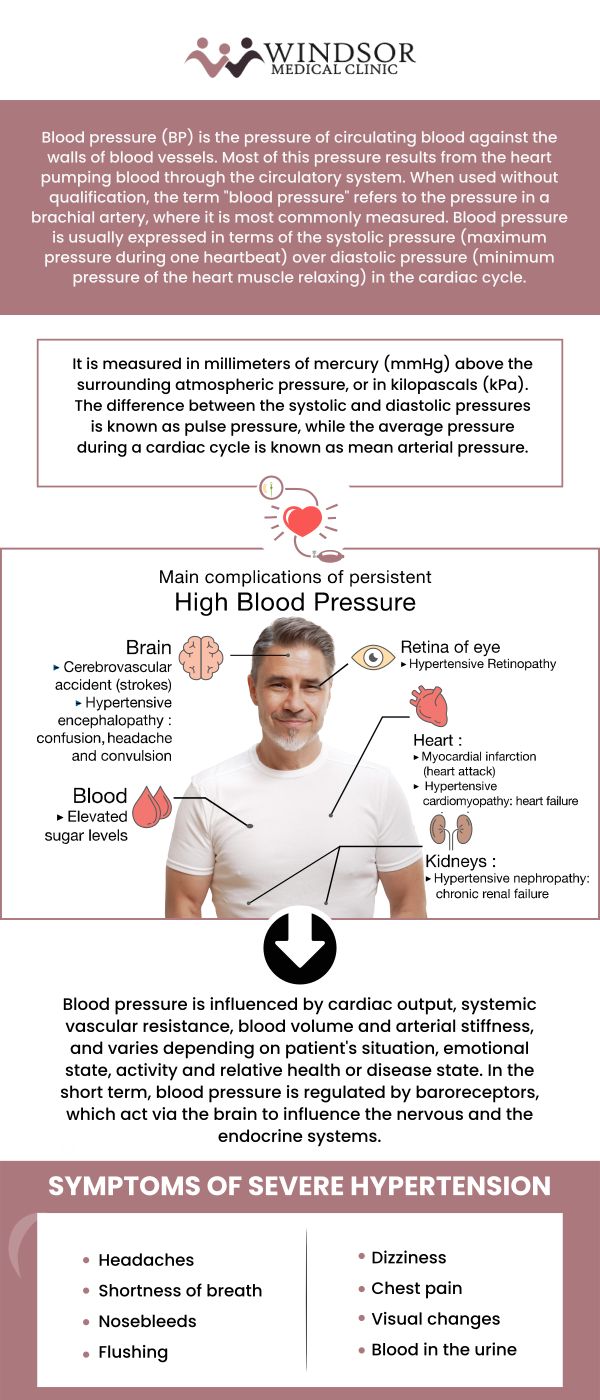
Table of Contents:
Where is the quickest place to get a professional blood pressure screening in Temple Terrace?
What do the two numbers in my blood pressure reading actually mean?
What is considered a normal blood pressure reading?
Can high blood pressure cause immediate physical symptoms?
What happens if my blood pressure screening is dangerously high?
At Windsor Medical Clinic in Temple Terrace, we provide quick and professional blood pressure screenings designed for patients who need fast, reliable results without long wait times. Our skilled team performs on-site vitals checks during your visit, allowing us to assess your blood pressure immediately and review the results with you the same day.
We make the screening process simple and efficient so you can walk in, get your blood pressure checked, and receive guidance from our medical provider if any concerns are identified. Whether you’re coming in for routine preventive care or just want a quick check, we ensure your visit is handled with minimal delay and clear clinical attention.
At Windsor Medical Clinic, we also support ongoing blood pressure monitoring for patients managing hypertension or other cardiovascular risk factors. Our goal is to provide consistent, accessible care in Temple Terrace so you can stay on top of your health with confidence and ease.
A blood pressure reading always includes two numbers, and each one tells us something different about how your heart and blood vessels are functioning. The first or top number is called systolic pressure. This measures the force of blood pushing against your artery walls when your heart contracts and pumps blood out to the rest of your body. It reflects how hard your heart is working during each beat. A higher systolic number can indicate increased strain on the cardiovascular system.
The second or bottom number is called diastolic pressure. This measures the pressure in your arteries when your heart is resting between beats. During this phase, the heart is filling with blood again, and the arteries should be relaxed. If this number is elevated, it can indicate that your blood vessels are under constant tension even when your heart is not actively pumping.
Together, these two numbers give a complete picture of your cardiovascular health. We use both values to understand heart efficiency, artery flexibility, and overall circulation health. At Windsor Medical Clinic, we carefully evaluate both systolic and diastolic readings during every screening to help patients clearly understand what their numbers mean and what they indicate about long-term heart health.
A normal blood pressure reading is generally considered to be around 120/80 mmHg or lower. This range indicates that your heart is pumping efficiently and your arteries are maintaining healthy pressure levels without excessive strain. When both numbers fall within this range, it suggests that your cardiovascular system is functioning well and your risk of heart-related complications is lower.
However, blood pressure is not a fixed number and can fluctuate throughout the day based on stress, activity, hydration, caffeine intake, and even sleep quality. Because of this, a single reading slightly above or below the normal range does not always indicate a problem. What matters most is the pattern of readings over time rather than one isolated measurement.
Readings consistently above 130/80 mmHg may indicate elevated blood pressure or hypertension, which can increase the risk of heart disease, stroke, and kidney issues if not managed properly. On the other hand, readings that are too low may also require evaluation if they cause symptoms like dizziness or fatigue.
At Windsor Medical Clinic, we help patients understand their blood pressure trends in context, not just isolated numbers, so they can make informed decisions about prevention, lifestyle changes, and long-term cardiovascular health management.
High blood pressure is often referred to as a “silent condition” because in many cases it does not produce noticeable symptoms, even when readings are significantly elevated. This is one of the reasons routine screening is so important, since damage to the heart, brain, kidneys, and blood vessels can occur gradually without obvious warning signs.
In some situations, especially when blood pressure becomes very high, individuals may experience symptoms such as headaches, dizziness, shortness of breath, chest discomfort, or blurred vision. These symptoms are not always present and are not reliable indicators of how high blood pressure may actually be. Some people may feel completely normal even at dangerous levels.
Because symptoms are inconsistent, relying on how you feel is not a safe way to monitor blood pressure. Regular screening is the most effective way to detect changes early and prevent complications such as stroke, heart attack, or kidney damage.
At Windsor Medical Clinic, we focus on early detection through routine blood pressure checks, helping patients identify elevated readings before symptoms appear and supporting long-term cardiovascular protection through timely evaluation and guidance.
If a blood pressure screening shows a dangerously high reading, the first step is usually to recheck it to confirm accuracy. Blood pressure can rise temporarily due to stress, pain, activity, or anxiety, so it is important to ensure the reading is consistent before making decisions. We also assess whether any symptoms are present, such as chest pain, shortness of breath, severe headache, or vision changes.
If the reading remains very high, further evaluation is needed to determine the level of urgency. In some cases, immediate medical attention may be recommended, especially if the reading falls into a hypertensive crisis range. If there are no severe symptoms, we may still recommend prompt follow-up care to begin managing the condition safely and effectively.
Treatment plans may include lifestyle changes such as dietary adjustments, reducing sodium intake, increasing physical activity, stress management, and, when necessary, medication prescribed by a provider. The goal is to bring blood pressure down gradually and safely while preventing complications.
At Windsor Medical Clinic, we take elevated blood pressure seriously and guide patients through the appropriate next steps, ensuring timely care, proper evaluation, and ongoing support for long-term heart health management.
For more information, contact us or book an appointment online. We are conveniently located at 11434 N 53rd St, Temple Terrace, FL 33617. We also serve patients from Temple Terrace FL, Tonotosassa FL, Lake Magdalene FL, Greater Carrollwood FL, and Mango FL.
Check Out Our 5 Star Reviews


Additional Services You May Need





 Send Text
 How May I Help You?